The guide library
Find the guide for
your next decision.
Learn the material. Understand the assembly. Know what to ask before the work begins.
Understand the material
Start with foam types, R-value, air sealing, and the documents that explain a product.
Plan a part of your home
Follow the roof, wall, foundation, or floor assembly through the decisions that matter.
Investigate a concern
Find what to record, what a symptom can tell you, and when to bring in help.
Browse the collection
A question worth getting right.
Showing 30 guides
Building Science · 5 min read
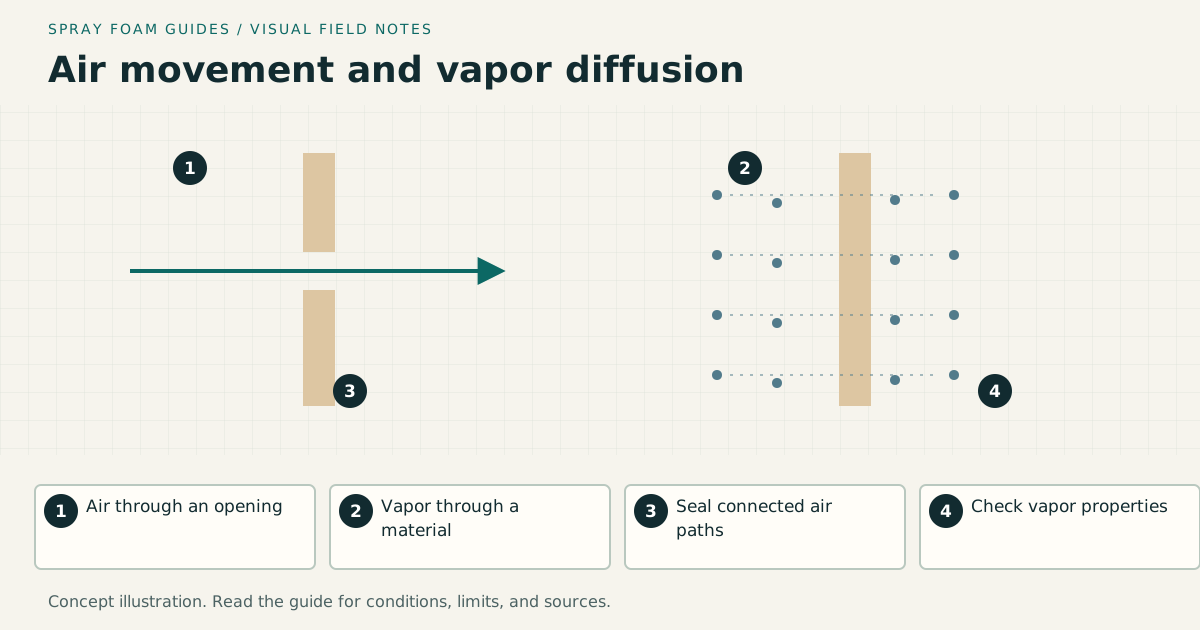
Air Barrier vs Vapor Retarder: Different Jobs
See how air, vapor, bulk water, and heat control layers differ, overlap, and connect before spray foam is added to an enclosure.
Read the guide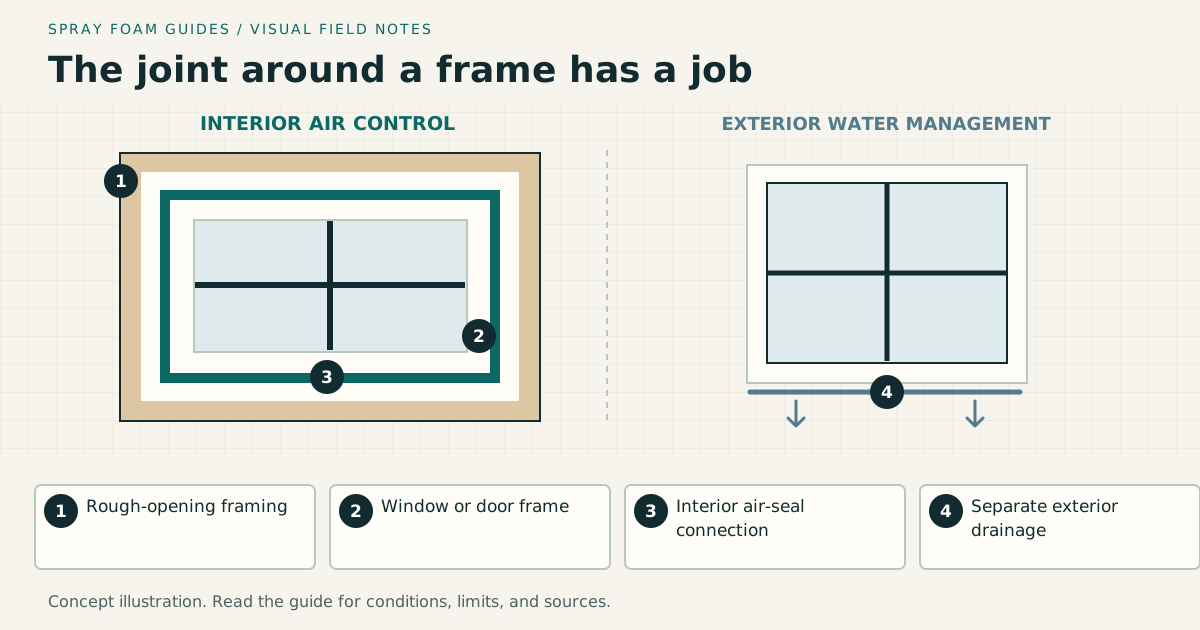
Projects · 7 min read
Air Sealing Windows, Doors, and Small Gaps: Where Foam Fits
Distinguish window-frame air leaks, moving joints, drainage openings, and service penetrations before choosing foam, caulk, or weatherstripping.
Read the guide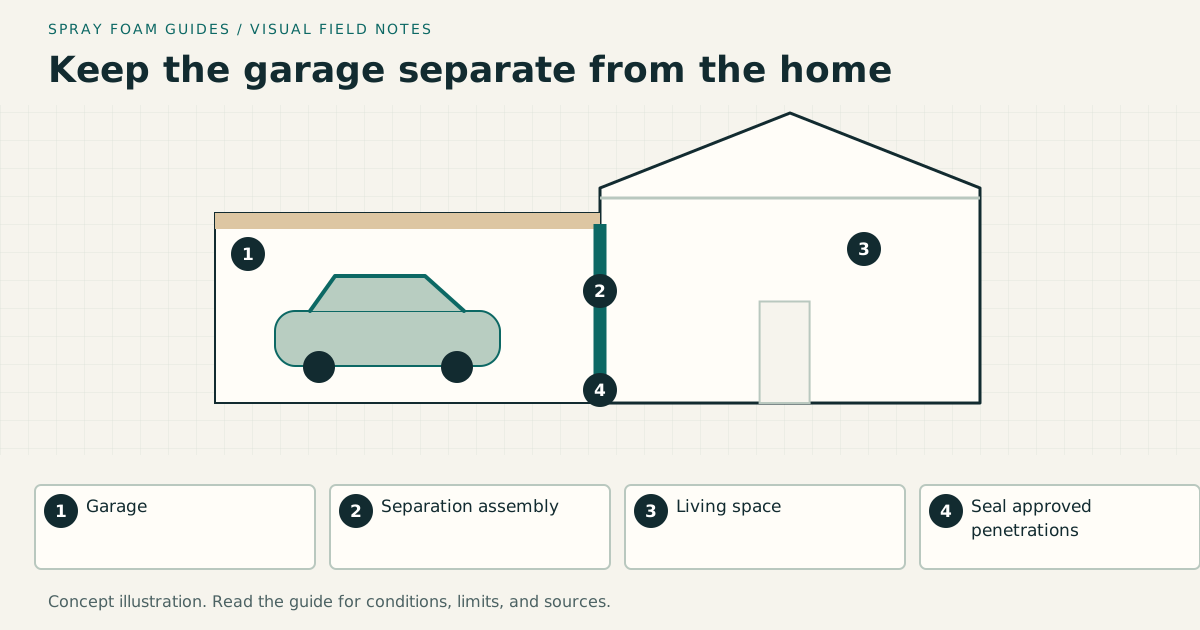
Projects · 8 min read
Attached Garage Insulation: Air, Fumes, Fire Separation, and Foam
Plan attached-garage insulation around the house boundary, vehicle fumes, pressure, fire separation, rooms above, and local code requirements.
Read the guide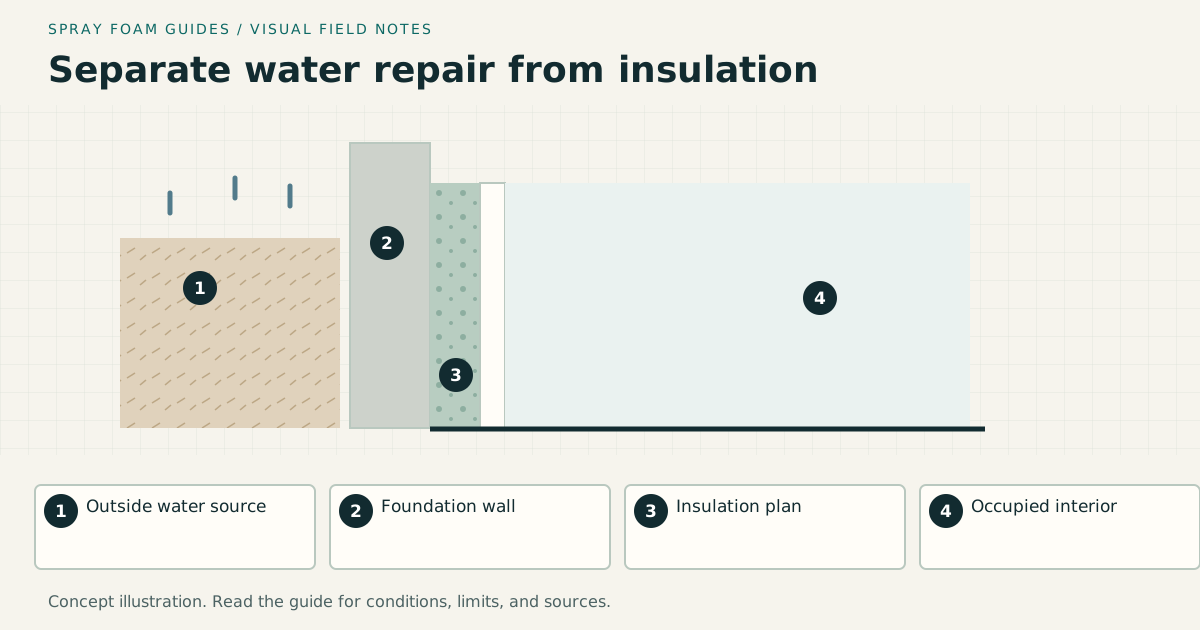
Projects · 8 min read
Basement Wall Insulation: Diagnose Water Before Adding Foam
Choose a basement wall insulation path after assessing drainage, masonry moisture, foundation condition, drying, framing, fire covering, and radon.
Read the guide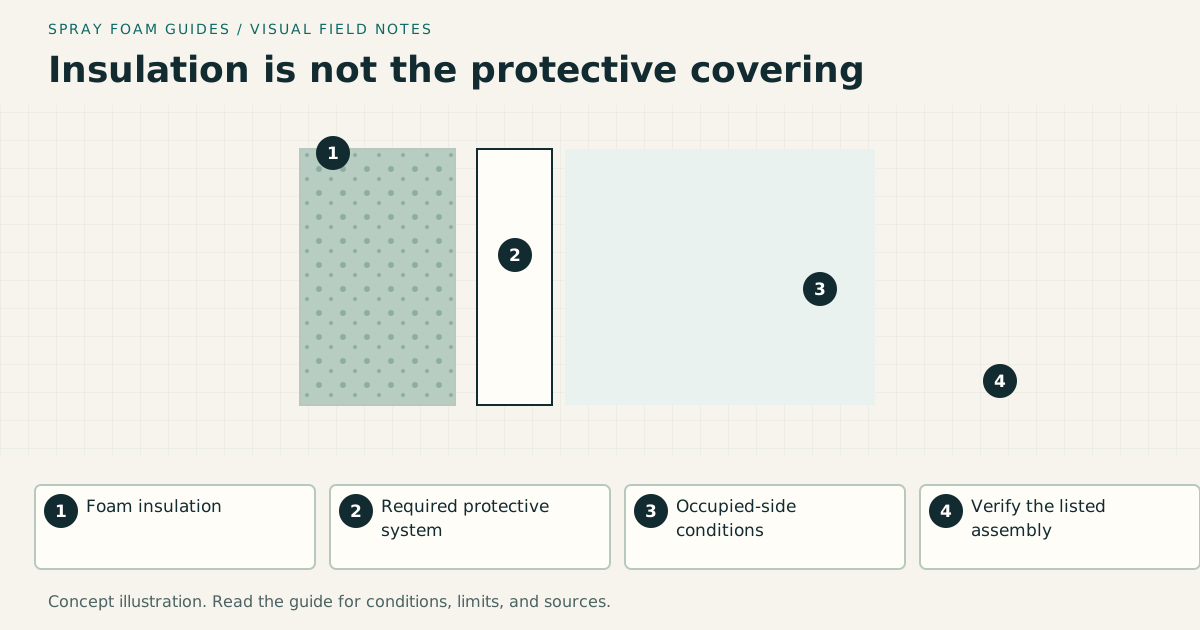
Safety & Code · 5 min read
Class A, Fireblock, Firestop, Ignition Barrier, and Thermal Barrier
Keep common spray foam fire terms separate and verify the exact product, tested assembly, installed thickness, covering, code edition, and jurisdiction.
Read the guide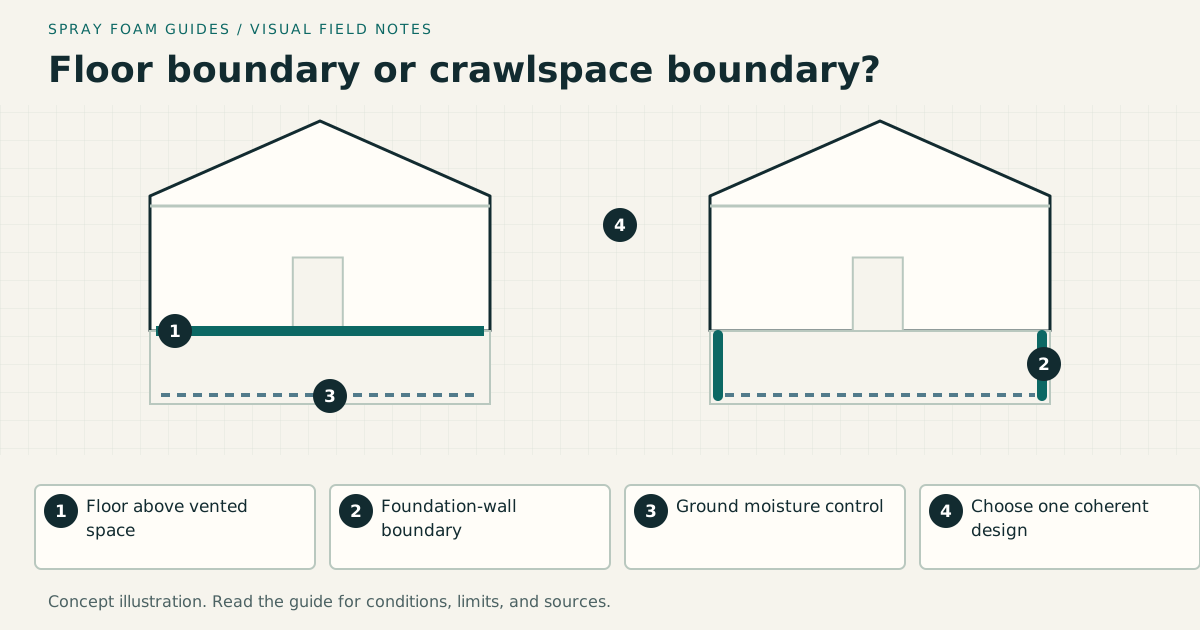
Projects · 8 min read
Crawlspace Spray Foam: Water, Ground Vapor, Radon, and Termites First
Plan crawlspace insulation only after drainage, ground vapor, radon, termite inspection, combustion equipment, and venting strategy are resolved.
Read the guide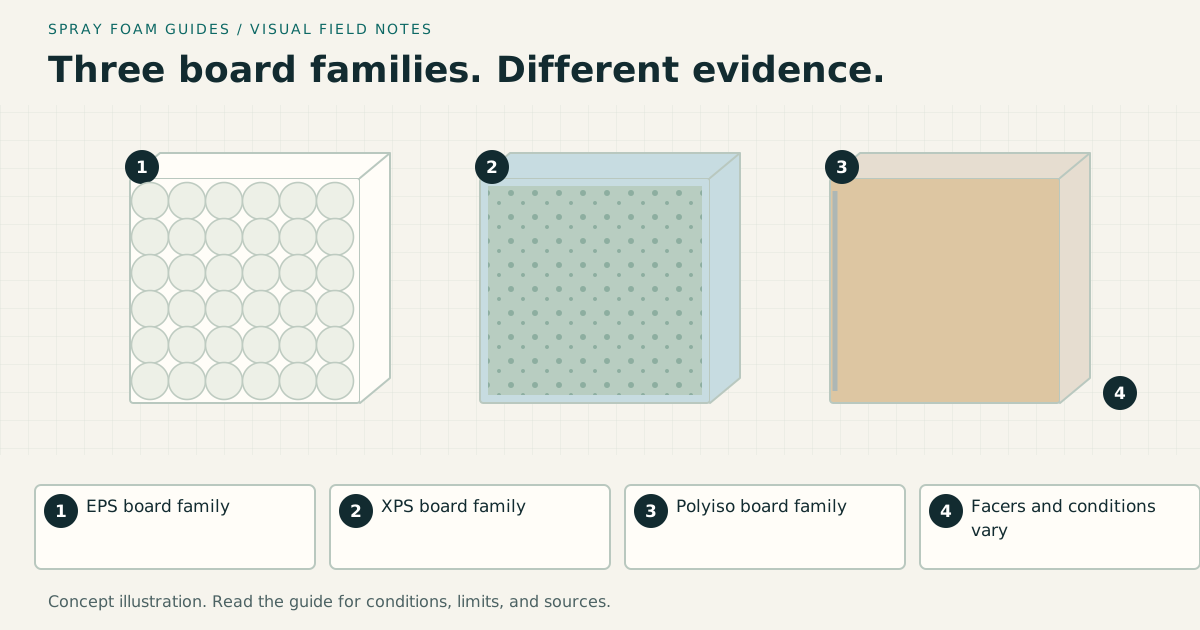
Compare · 8 min read
EPS vs XPS vs Polyiso: Compare Foam Board Properties and Assemblies
Compare EPS, XPS, and polyiso by documented thermal performance, facings, vapor control, water exposure, loading, fire protection, and assembly details.
Read the guide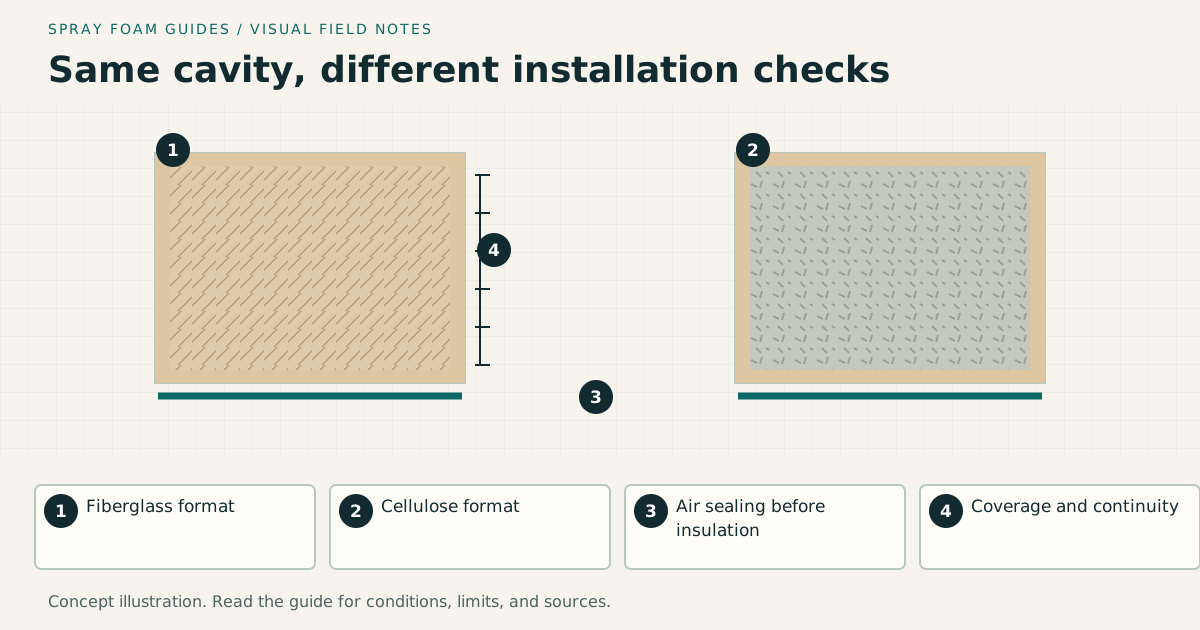
Compare · 8 min read
Fiberglass vs Cellulose: Attic Coverage, Wall Density, and Retrofit Fit
Compare fiberglass and cellulose for attic and wall insulation using installed coverage, density, ceiling load, access, air sealing, and inspection evidence.
Read the guide
Projects · 8 min read
How to Compare Spray Foam Contractor Quotes Before You Sign
Compare spray foam proposals by assembly boundary, preparation, thickness, exposure controls, fire covering, inspection records, and exclusions.
Read the guide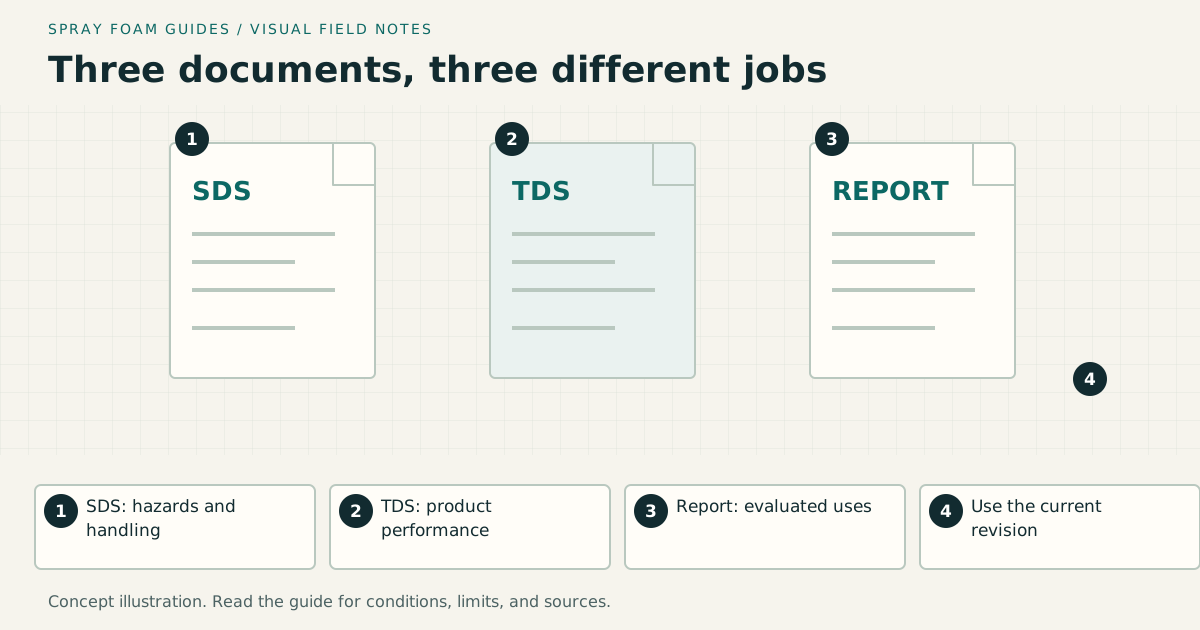
Spray Foam Basics · 6 min read
How to Read Spray Foam Labels, SDSs, TDSs, and Evaluation Reports
Find the right document for spray foam hazards, application limits, performance claims, and assembly approval before buying or reviewing a proposal.
Read the guide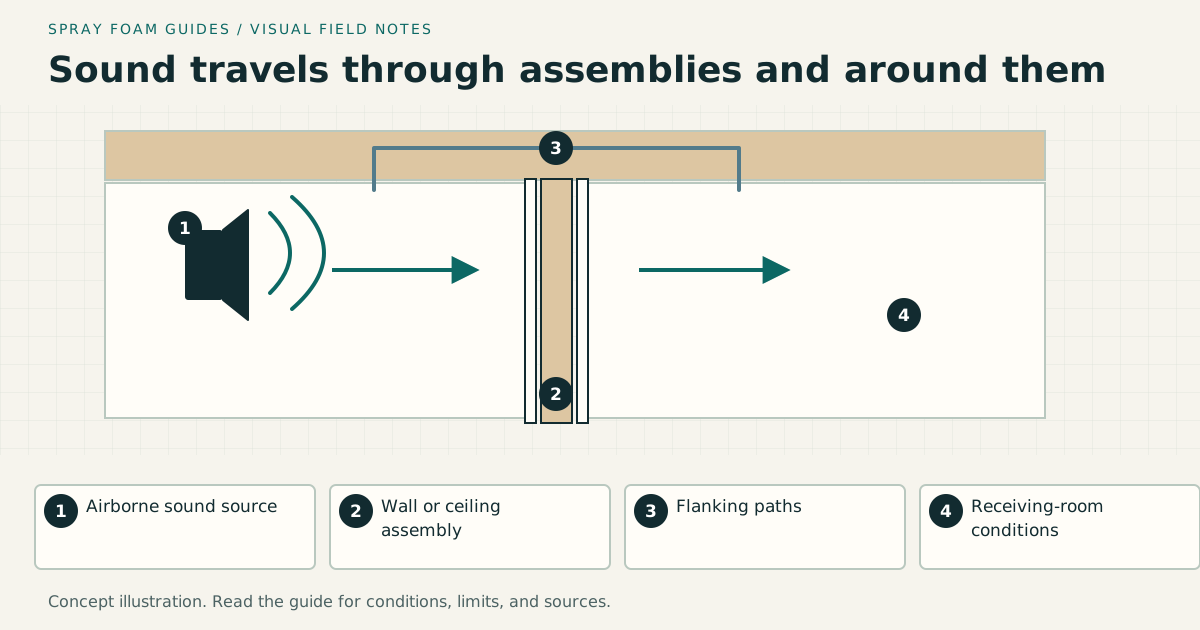
Spray Foam Basics · 7 min read
Insulation and Sound Control: What Spray Foam Can and Cannot Prove
Understand sound absorption, STC, impact noise, and flanking paths before using insulation to address voices, traffic, footsteps, or room echo.
Read the guide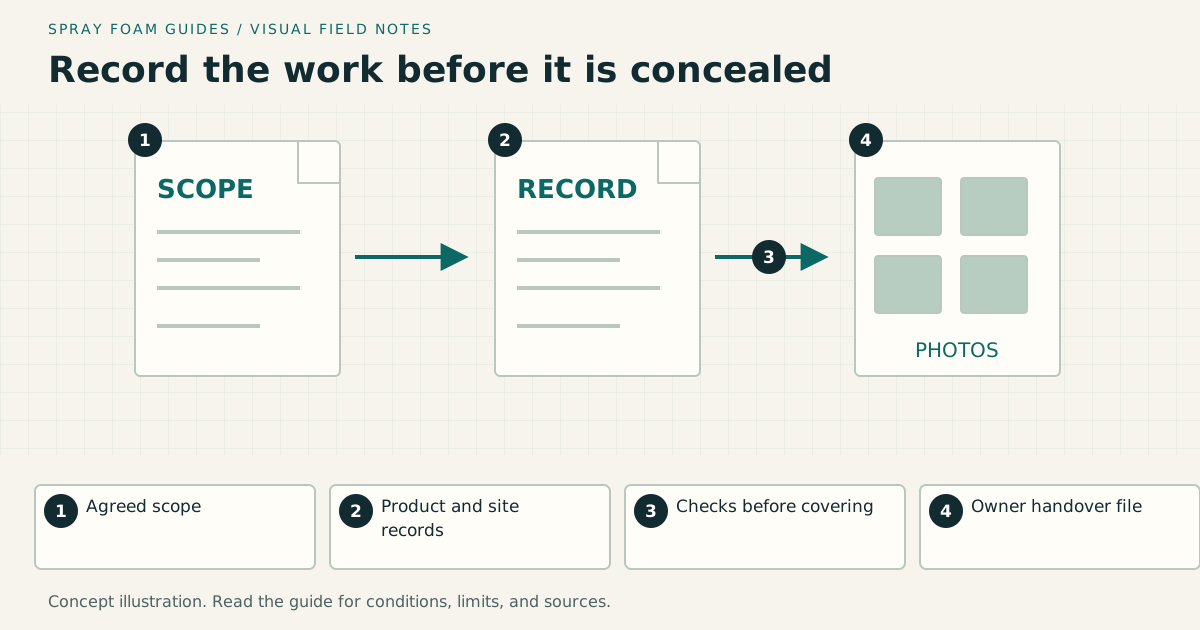
Projects · 7 min read
Insulation Inspection and Handover: What Owners Should Receive
Plan insulation checks before concealment, distinguish owner records from qualified inspections, and organize product, thickness, covering, and correction records.
Read the guide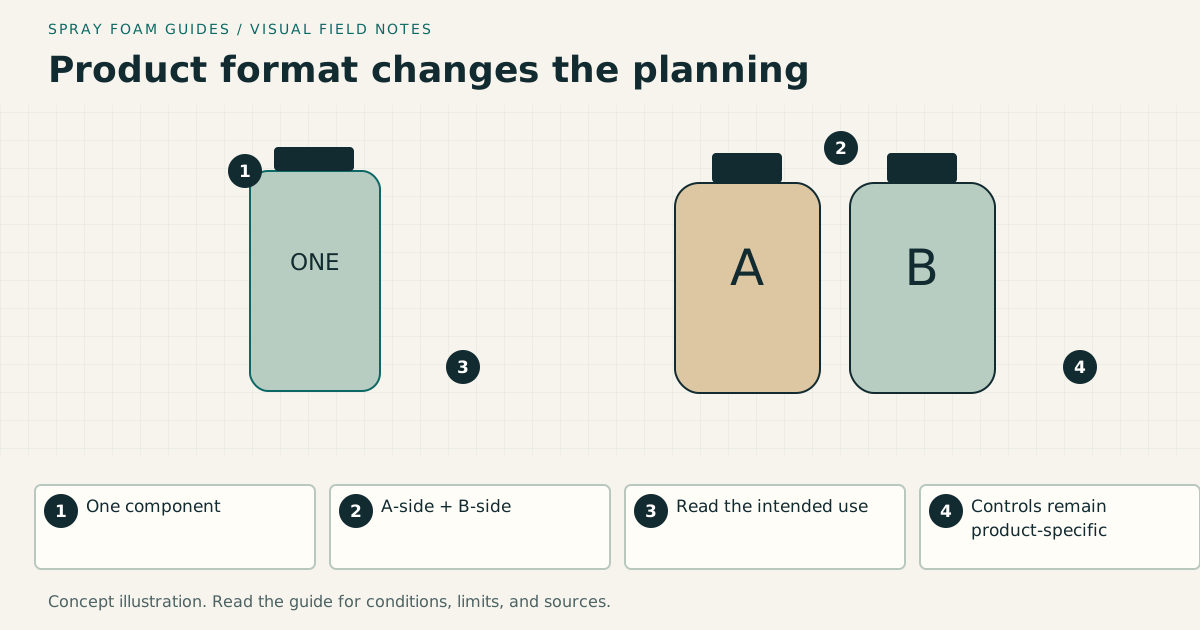
Spray Foam Basics · 5 min read
One-Component vs Two-Component Spray Foam
Learn how one-component sealants, surface foams, low-pressure kits, and professional two-component SPF differ in use, mixing, yield, and risk.
Read the guide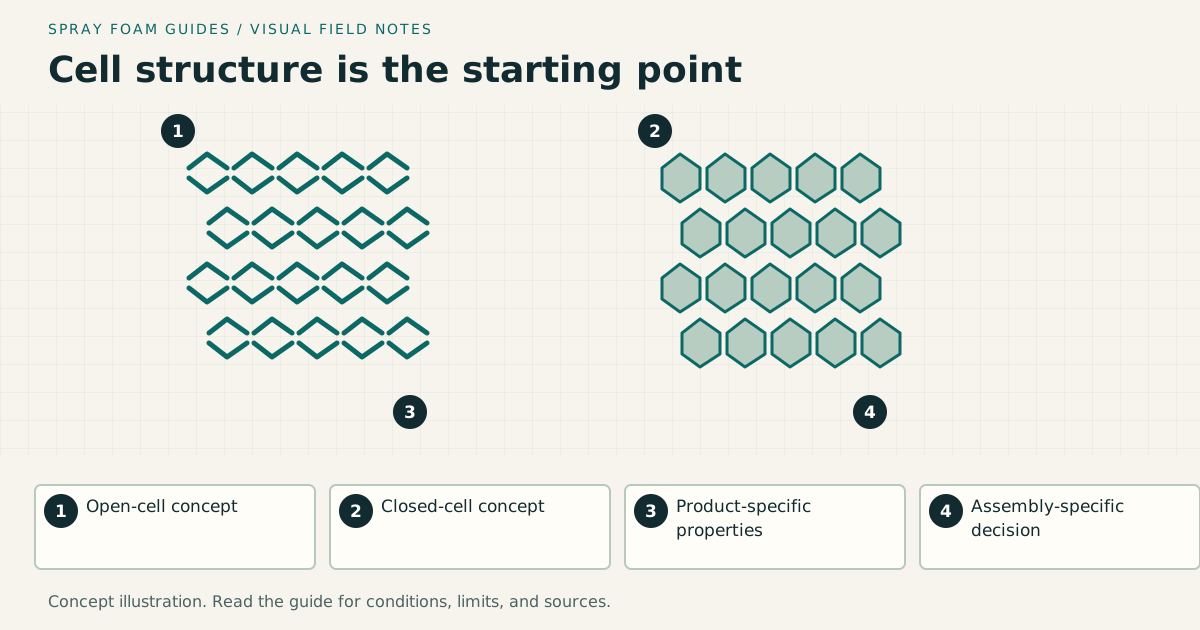
Spray Foam Basics · 6 min read
Open-Cell vs Closed-Cell Spray Foam: Choose by Assembly
Compare open-cell and closed-cell spray foam by air control, vapor behavior, drying potential, thickness, access, and failure consequences.
Read the guide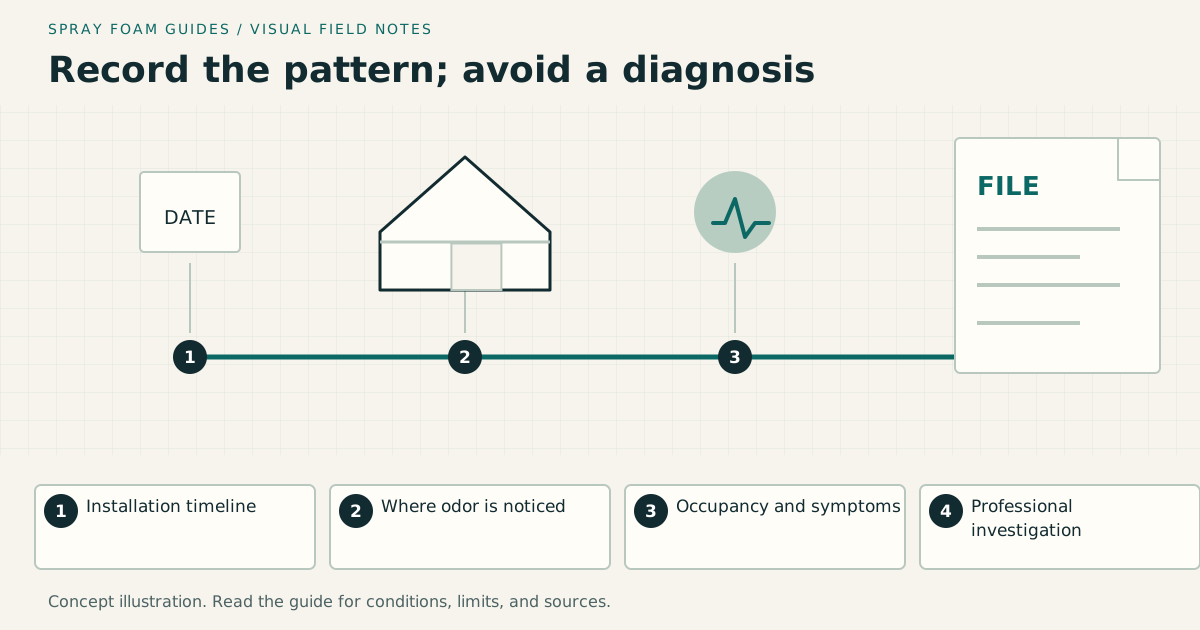
Troubleshoot · 5 min read
Persistent Spray Foam Odor: What to Do and What to Document
Use a safety-first response to persistent spray foam odor, health symptoms, uncured material, ventilation concerns, and contractor documentation.
Read the guide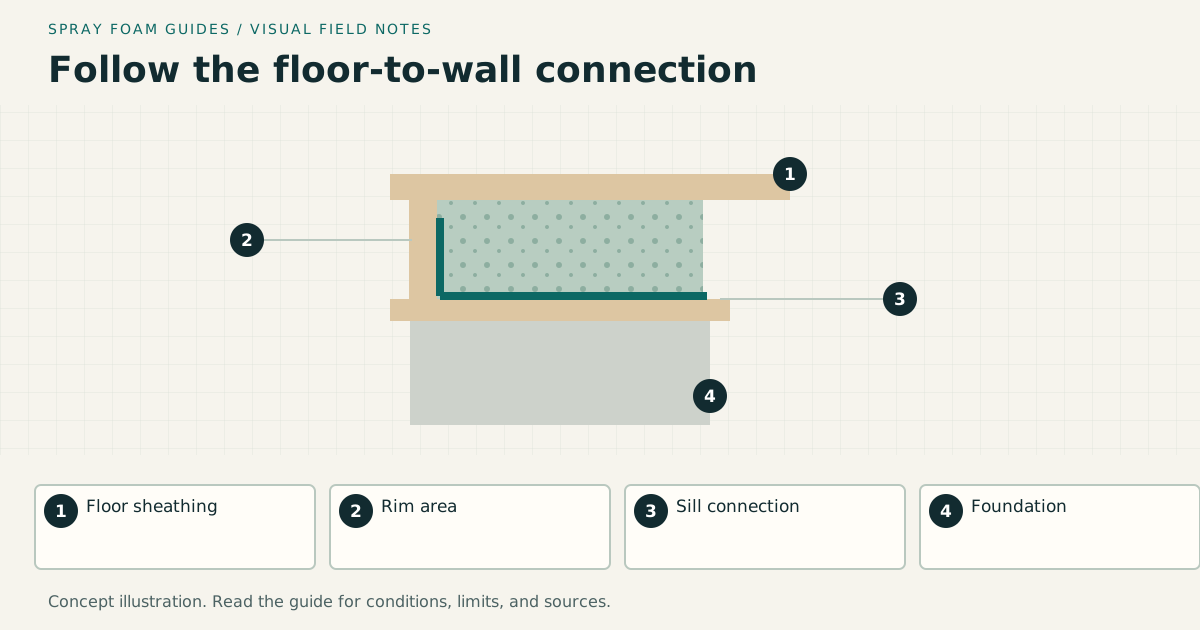
Projects · 8 min read
Rim Joist Insulation: An Assembly-First Spray Foam Guide
Plan rim-joist air sealing and insulation around moisture, masonry, framing, combustion clearances, termite inspection, and fire covering.
Read the guide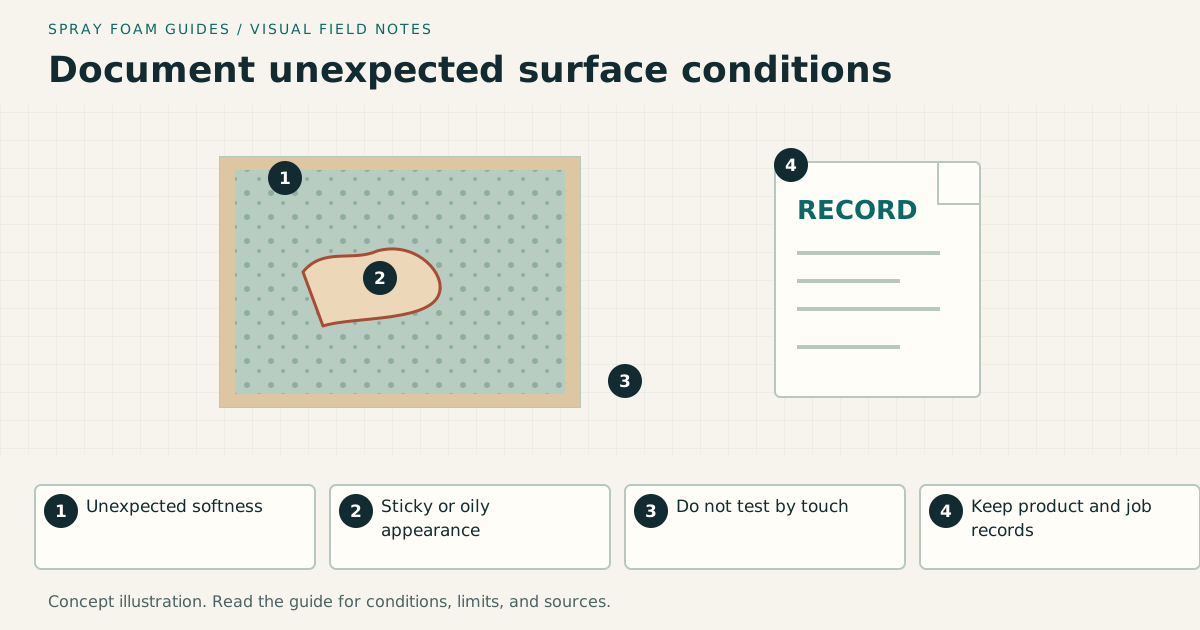
Troubleshoot · 5 min read
Soft or Sticky Spray Foam: What Needs Investigation?
Separate expected foam flexibility from persistent tackiness, oiliness, or unusual texture, and document concerns before trimming, covering, or re-entry.
Read the guide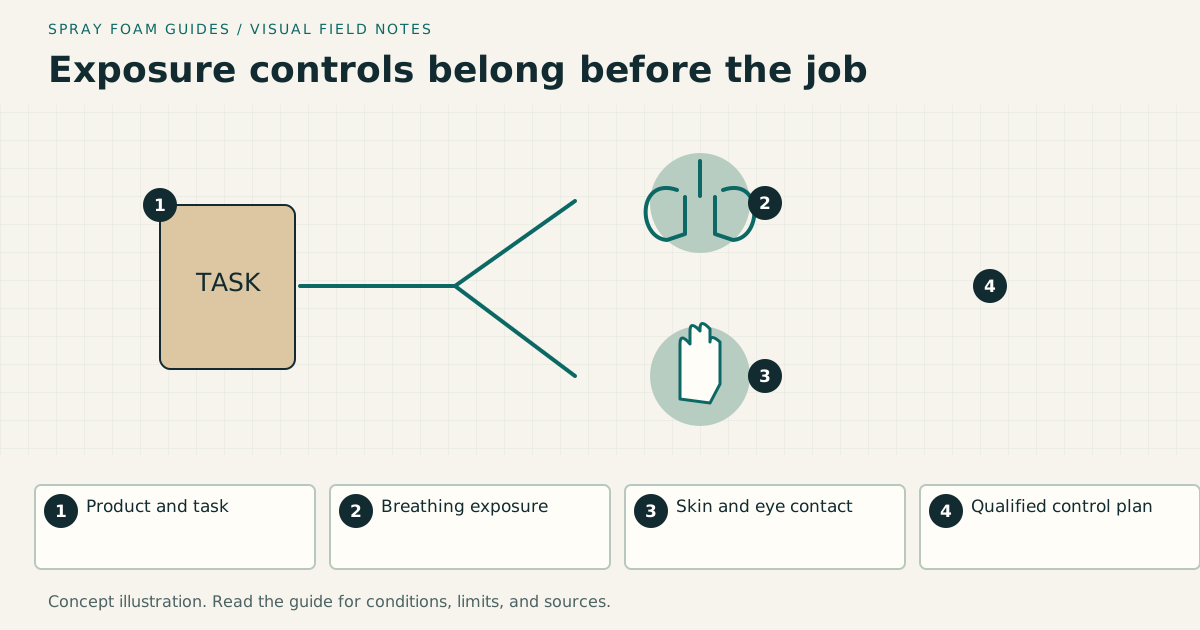
Safety & Code · 5 min read
Spray Foam and Isocyanate Exposure: Know the Boundary
Understand why spray polyurethane foam application can create inhalation, skin, and eye exposure and why PPE is only one part of control.
Read the guide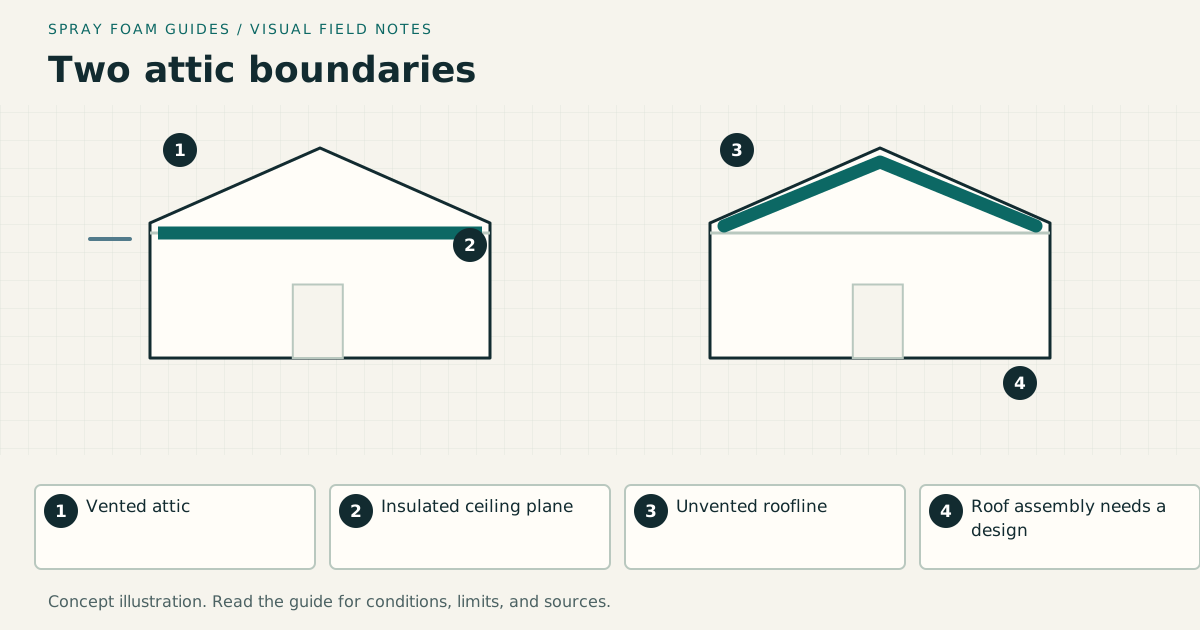
Projects · 8 min read
Spray Foam for Attics: Floor or Roof Deck First?
Decide between a vented attic floor and an unvented roofline before choosing foam, thickness, ventilation, or a contractor.
Read the guide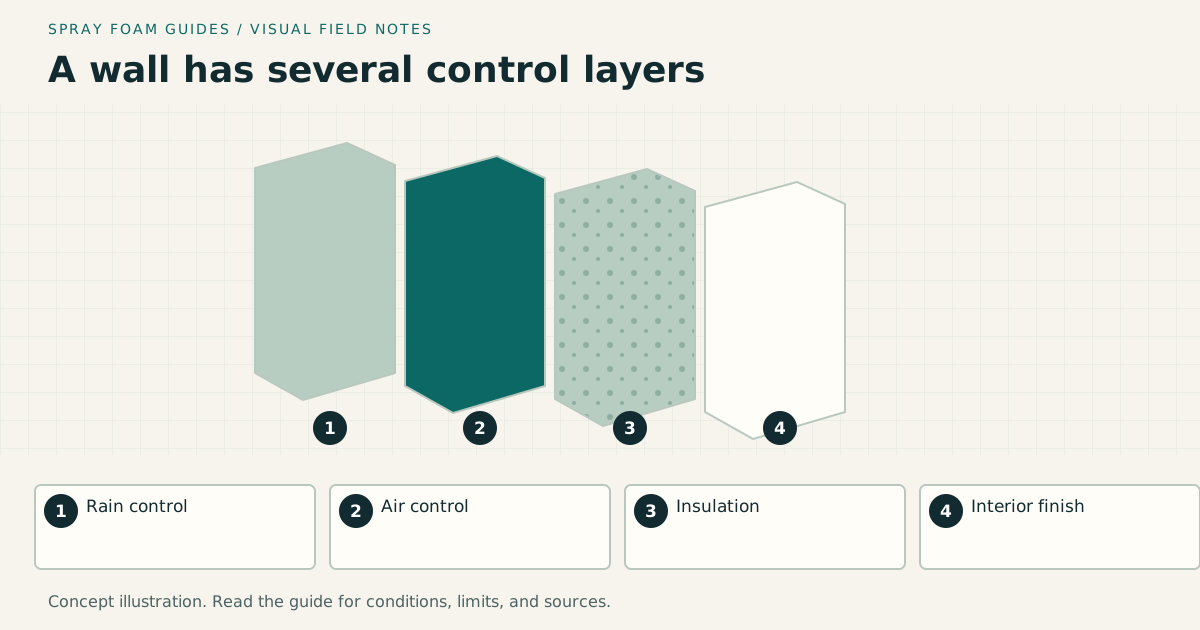
Projects · 8 min read
Spray Foam in Exterior Walls: Open Cavities vs Retrofit Injection
Plan wall insulation around rain control, sheathing, vapor profile, thermal bridging, wiring, fire blocking, and whether the cavity is open or concealed.
Read the guide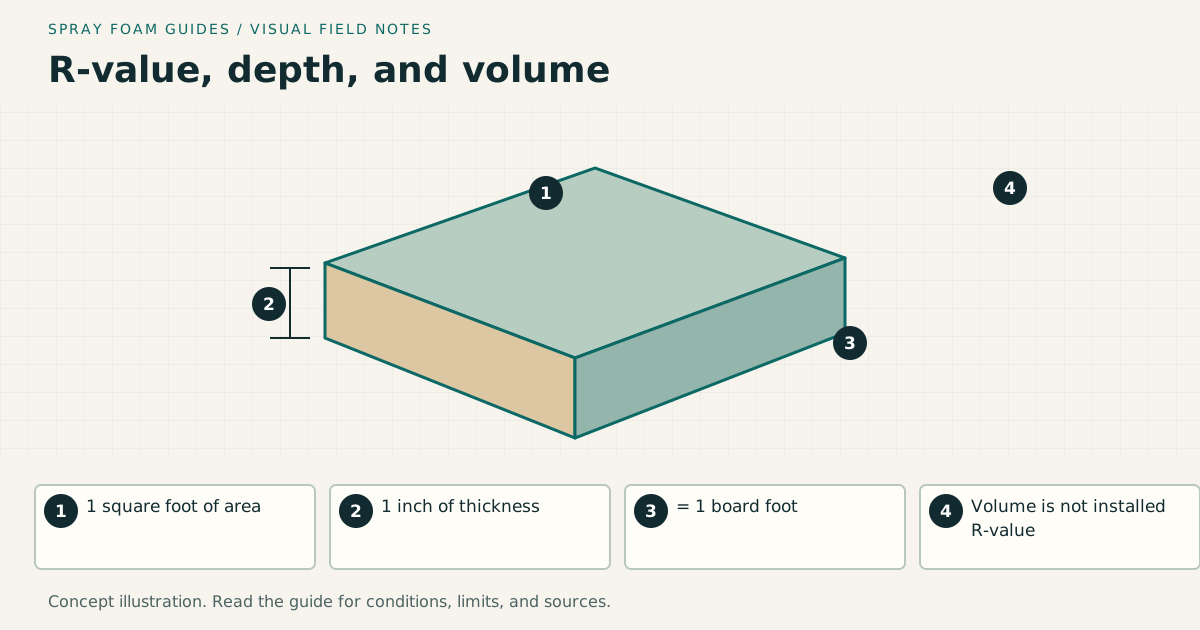
Spray Foam Basics · 5 min read
Spray Foam R-Value, Thickness, Board Feet, and Yield
Connect R-value, installed thickness, board feet, thermal bridging, waste, and theoretical yield without turning estimates into product guarantees.
Read the guide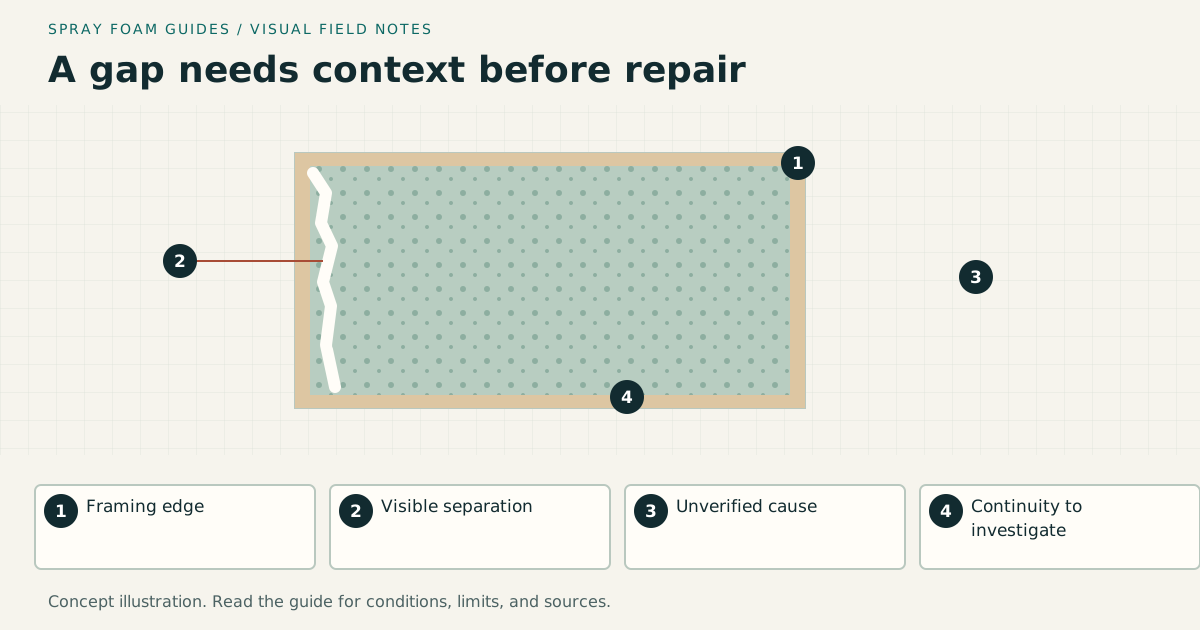
Troubleshoot · 5 min read
Spray Foam Shrinkage, Pull-Away, Cracks, and Voids
Inspect foam pull-away, shrinkage, cracks, voids, and uneven thickness; distinguish small touch-ups from patterns that need investigation.
Read the guide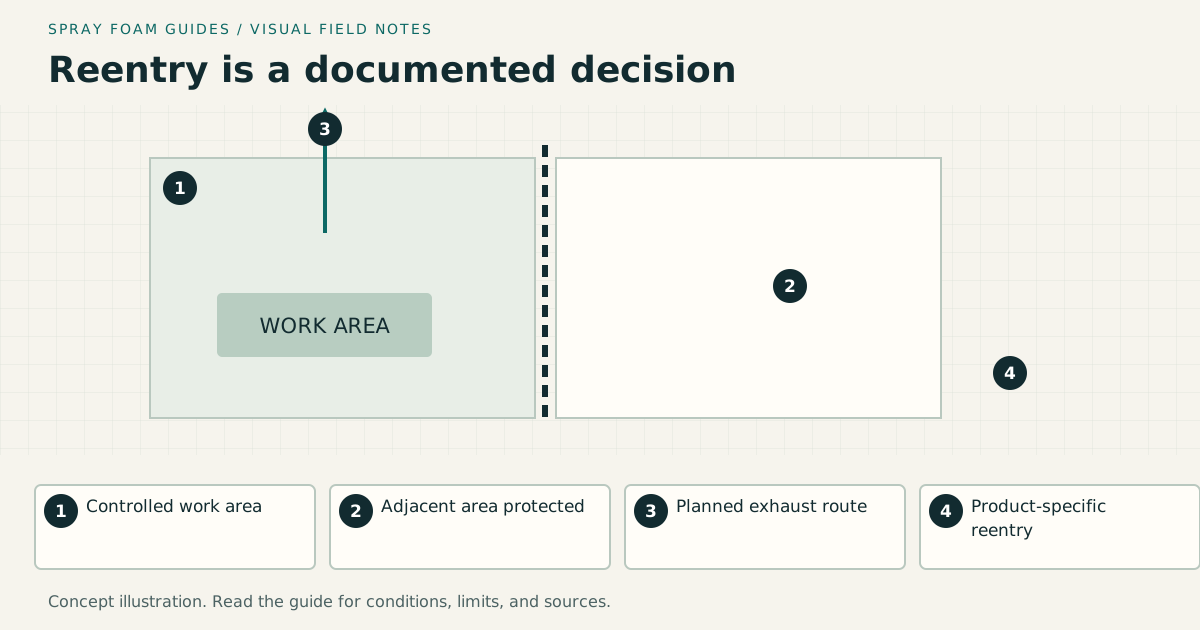
Safety & Code · 5 min read
Spray Foam Ventilation, Re-Entry, and Re-Occupancy
Plan work-zone isolation, make-up air, outside exhaust, HVAC protection, continued ventilation, and product-specific re-entry decisions.
Read the guide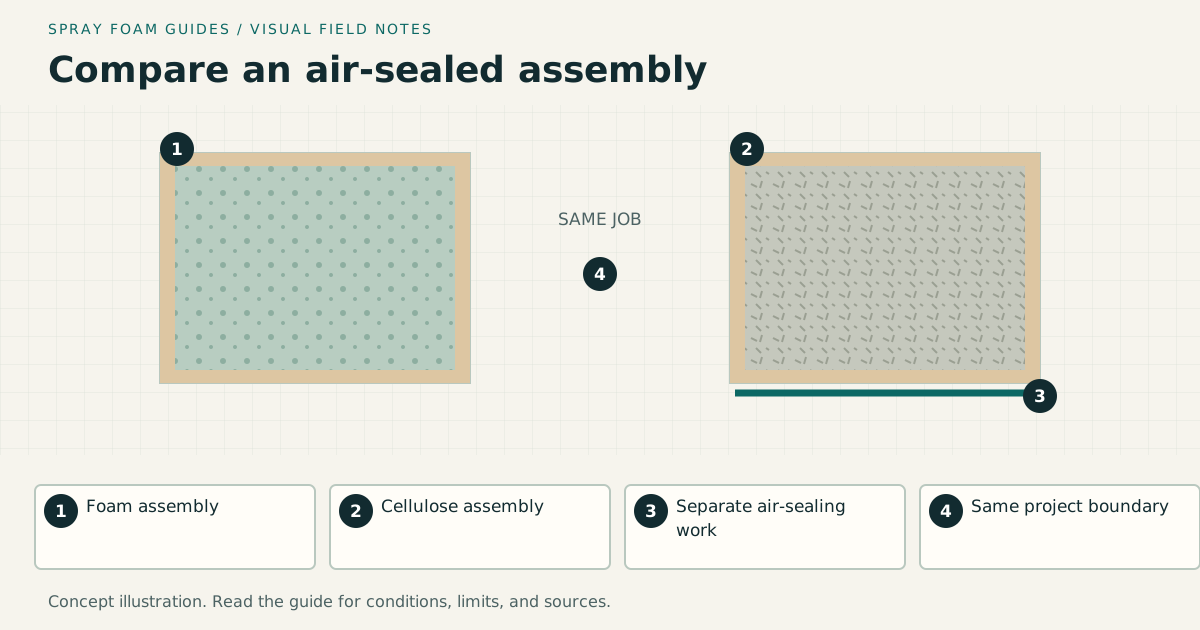
Compare · 8 min read
Spray Foam vs Cellulose: Air Sealing, Depth, Drying, and Retrofit
Compare spray foam and cellulose for attic, wall, and retrofit assemblies by air control, density, depth, moisture, access, and installation process.
Read the guide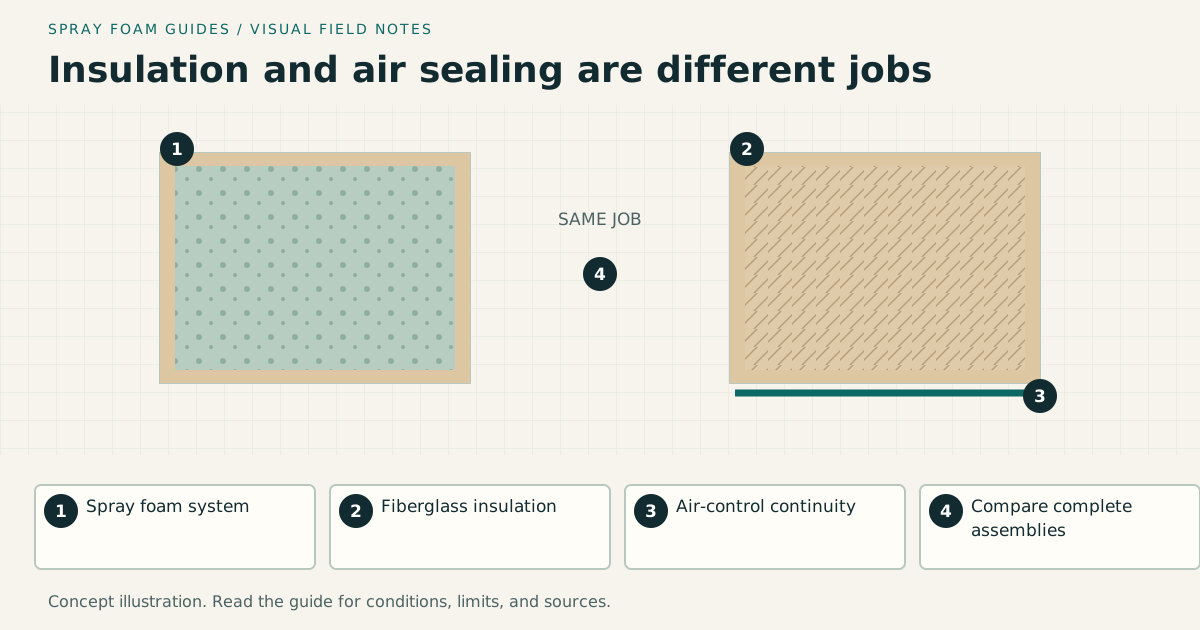
Compare · 7 min read
Spray Foam vs Fiberglass: Compare the Complete Assembly
Compare spray foam and fiberglass by air control, installation tolerance, drying, repairability, fire covering, thermal bridging, and access.
Read the guide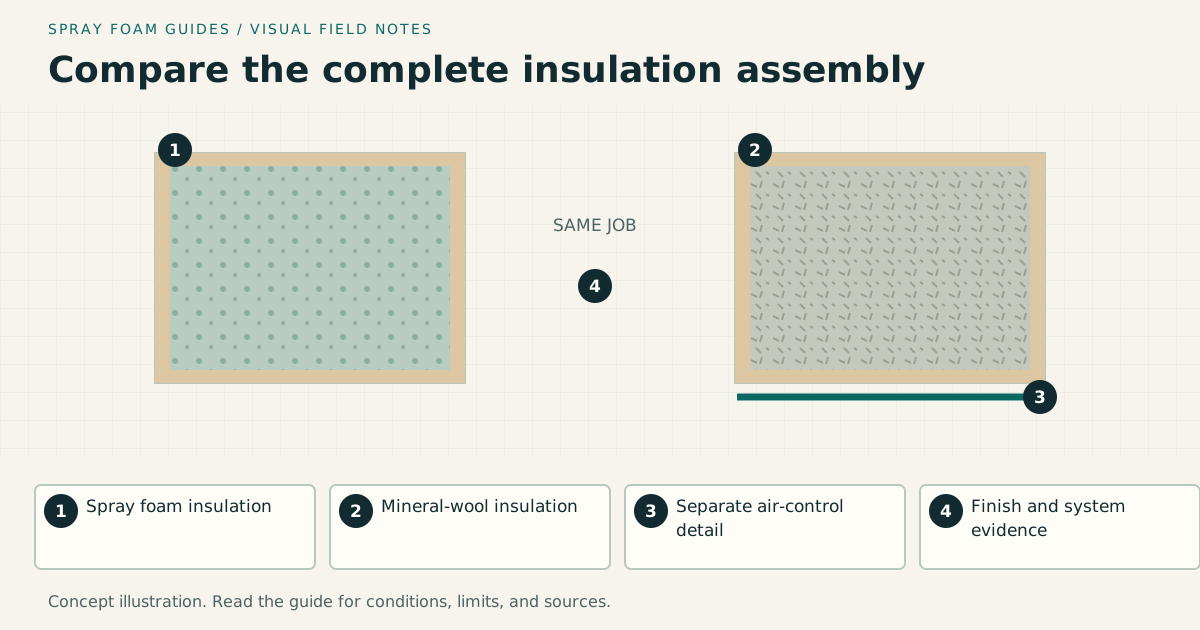
Compare · 8 min read
Spray Foam vs Mineral Wool: Air Control, Fire Evidence, and Access
Compare spray foam with mineral wool batts and boards by assembly role, air sealing, drying, fire and acoustic evidence, installation, and future repairs.
Read the guide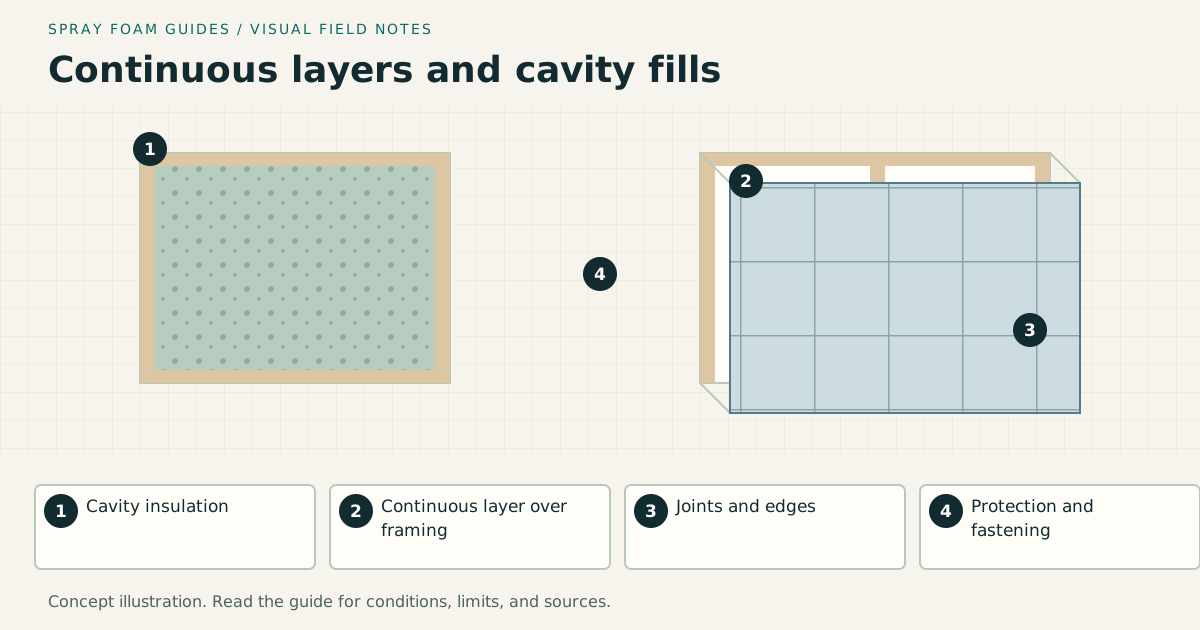
Compare · 8 min read
Spray Foam vs Rigid Foam Board: Continuity, Joints, and Repairability
Compare spray foam and rigid foam board by continuity, thickness control, seams, substrates, vapor behavior, fastening, fire covering, and future access.
Read the guide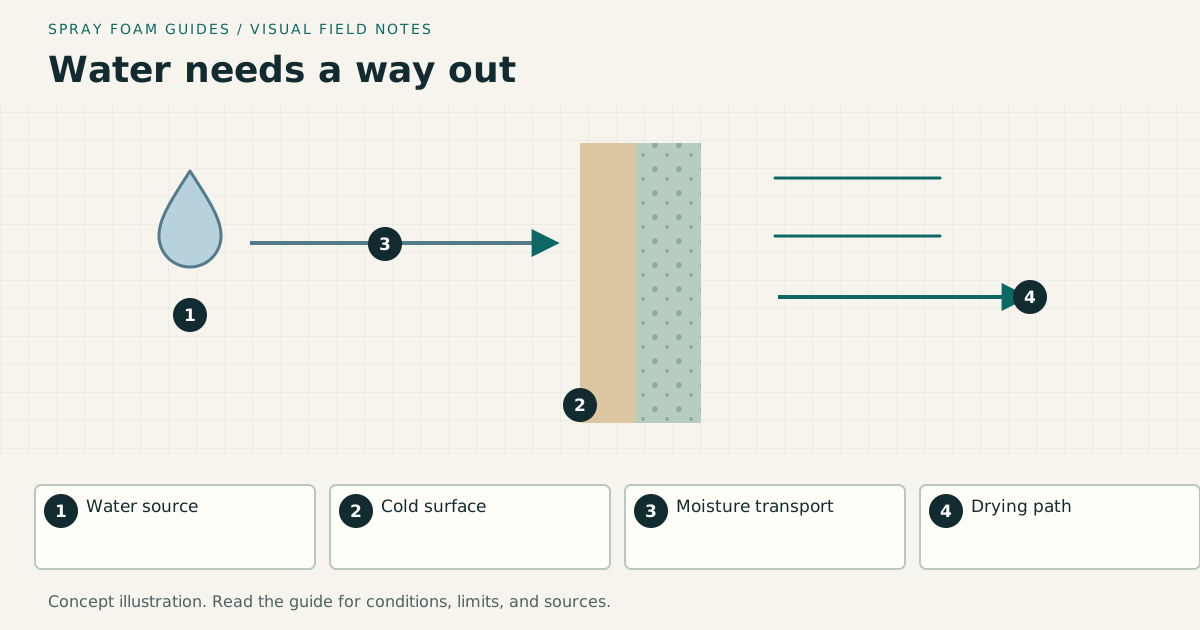
Building Science · 6 min read
Spray Foam, Moisture, Condensation, and Drying Potential
Separate bulk water, air-carried moisture, vapor diffusion, and built-in moisture before deciding whether spray foam belongs in an assembly.
Read the guide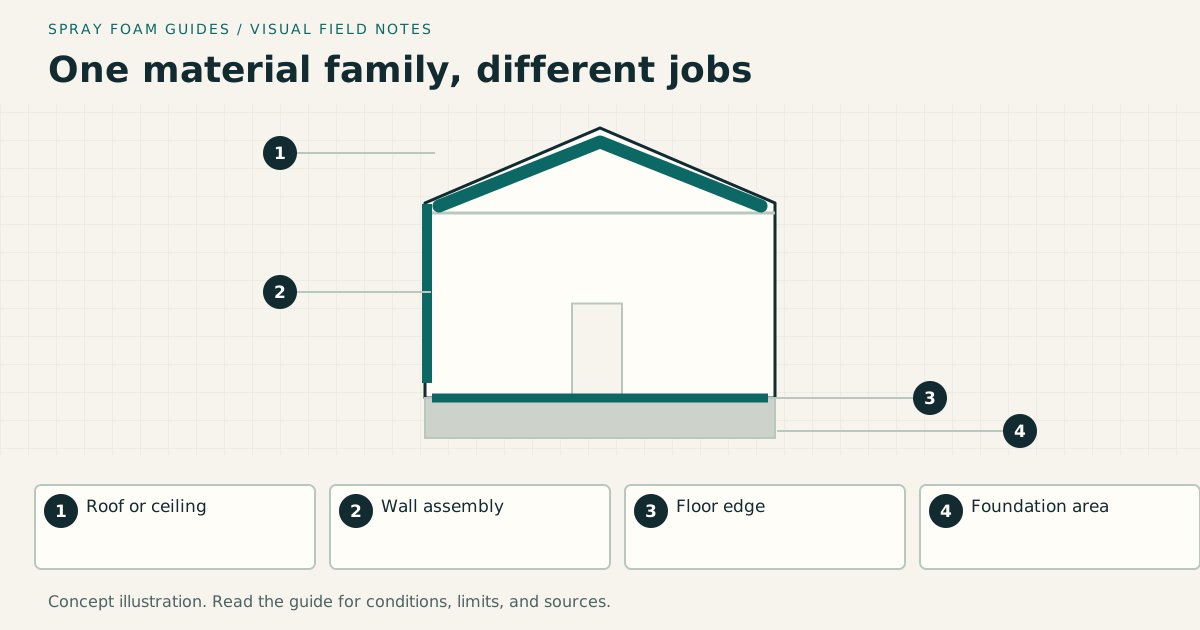
Spray Foam Basics · 6 min read
What Is Spray Foam Insulation? Types, Uses, and Limits
Understand spray foam product families, what they control in an assembly, and why the exact formulation and installed conditions matter.
Read the guide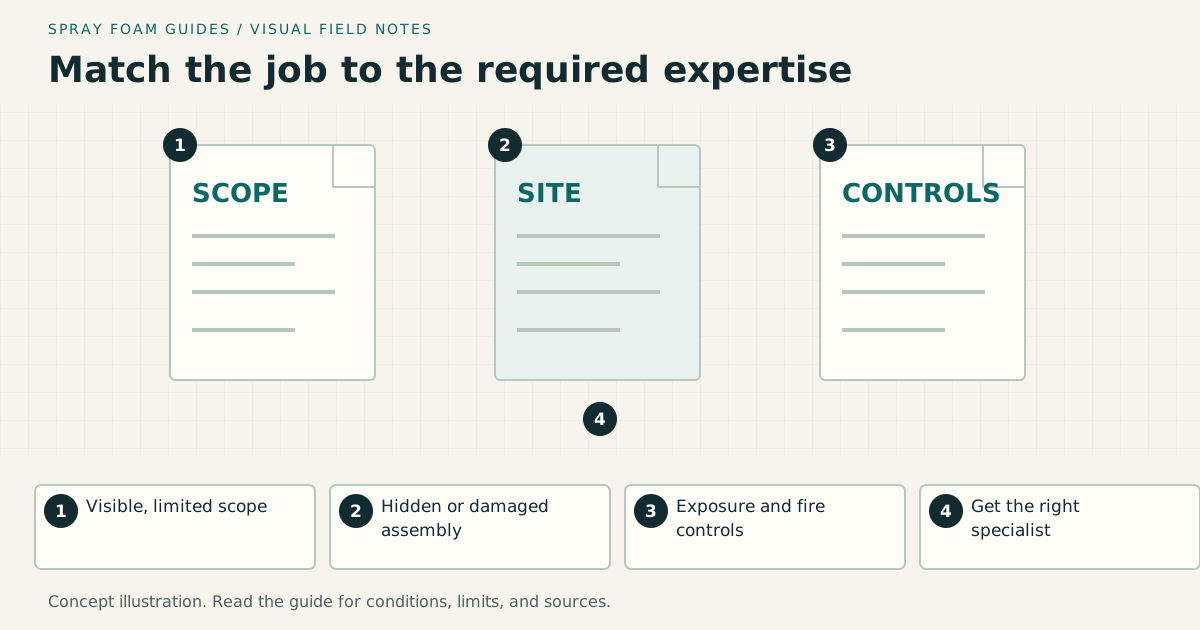
Safety & Code · 5 min read
When Not to DIY Spray Foam
Use clear stop conditions for wet materials, roof conversions, combustion equipment, occupied work, two-component systems, fire protection, and failures.
Read the guideNo guides match those filters.
Try a shorter phrase, select All guides, or search inside every article.