No universal winner
Compare insulation in the same assembly, under the same conditions.
See how materials differ in air sealing, drying, repairability, access, and installation requirements.
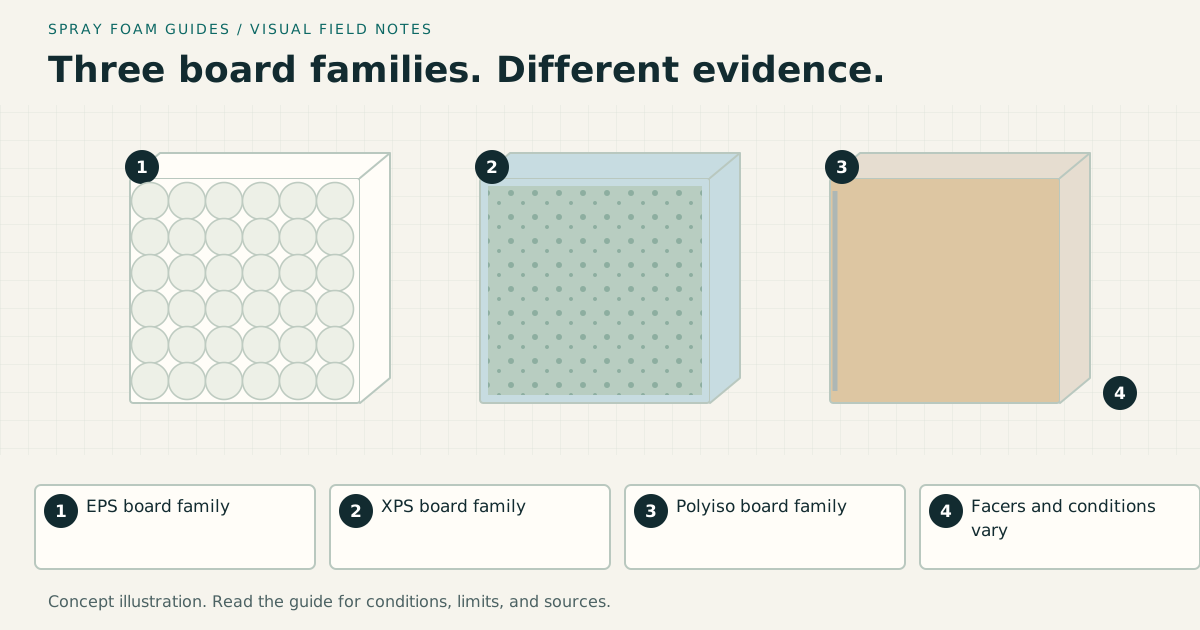
EPS vs XPS vs Polyiso: Compare Foam Board Properties and Assemblies
Compare EPS, XPS, and polyiso by documented thermal performance, facings, vapor control, water exposure, loading, fire protection, and assembly details.
Read the guide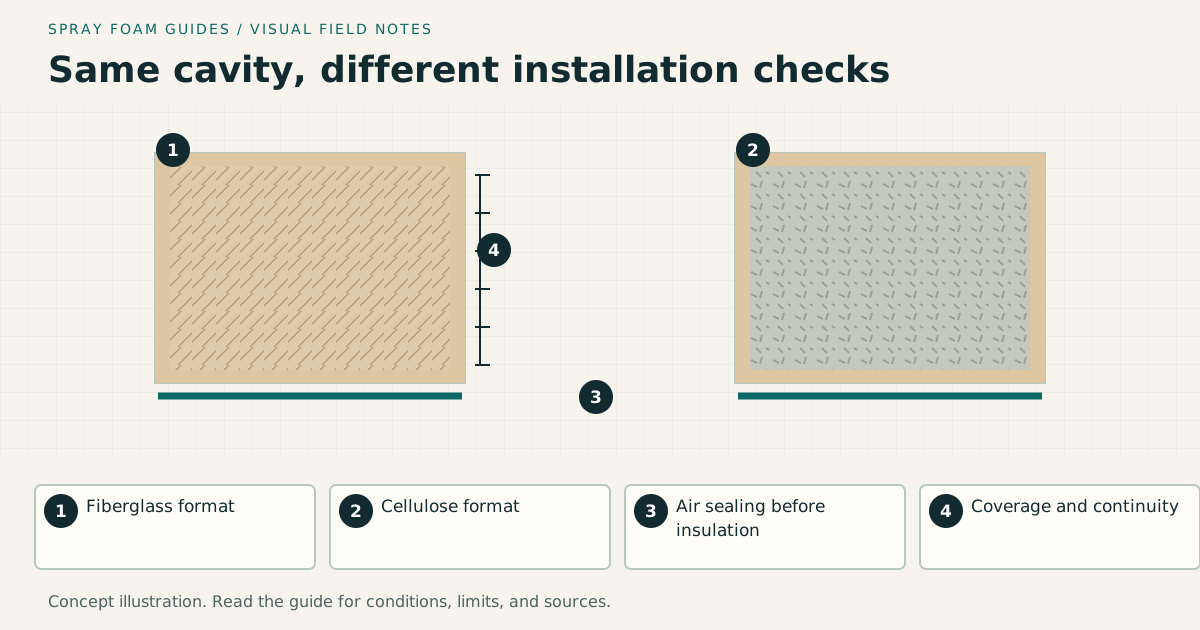
Fiberglass vs Cellulose: Attic Coverage, Wall Density, and Retrofit Fit
Compare fiberglass and cellulose for attic and wall insulation using installed coverage, density, ceiling load, access, air sealing, and inspection evidence.
Read the guide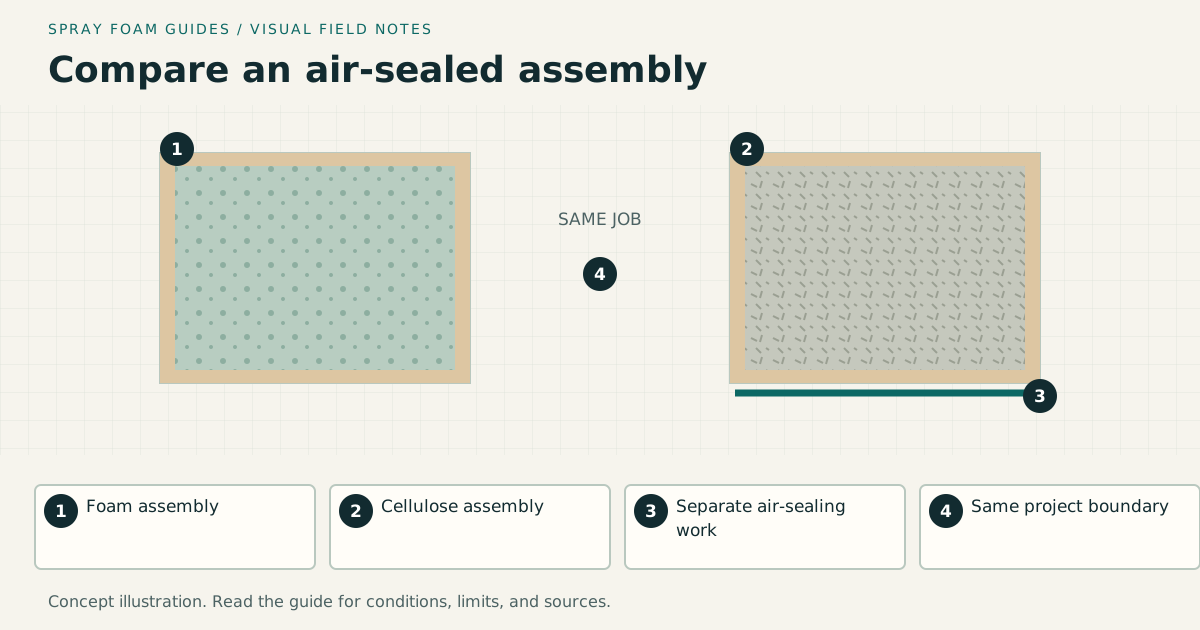
Spray Foam vs Cellulose: Air Sealing, Depth, Drying, and Retrofit
Compare spray foam and cellulose for attic, wall, and retrofit assemblies by air control, density, depth, moisture, access, and installation process.
Read the guide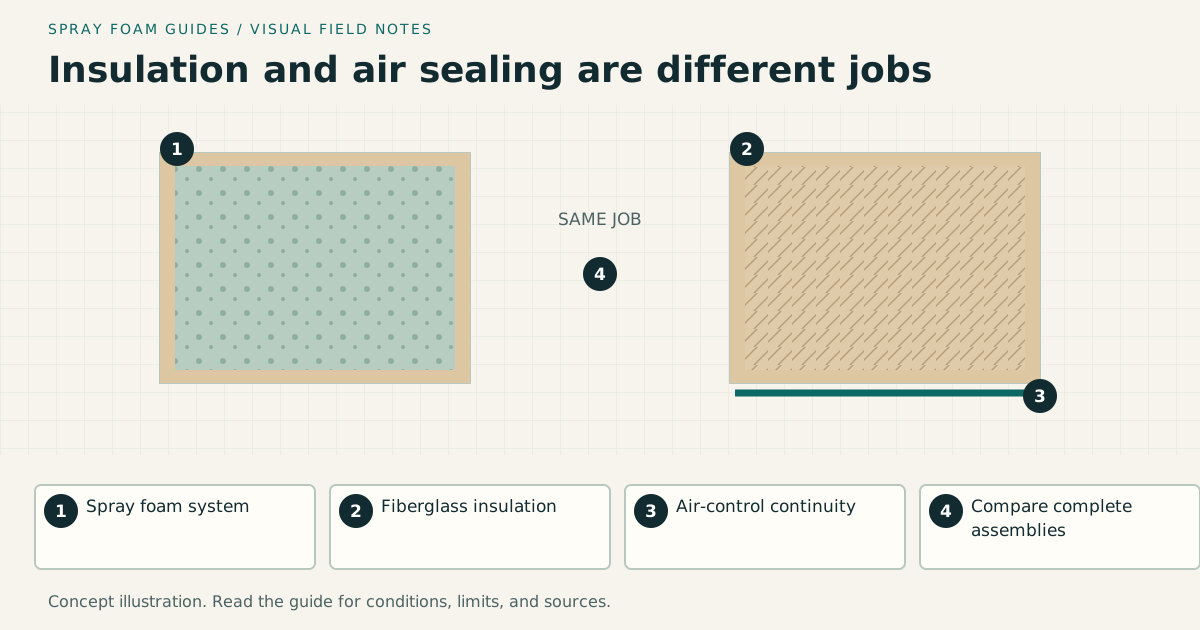
Spray Foam vs Fiberglass: Compare the Complete Assembly
Compare spray foam and fiberglass by air control, installation tolerance, drying, repairability, fire covering, thermal bridging, and access.
Read the guide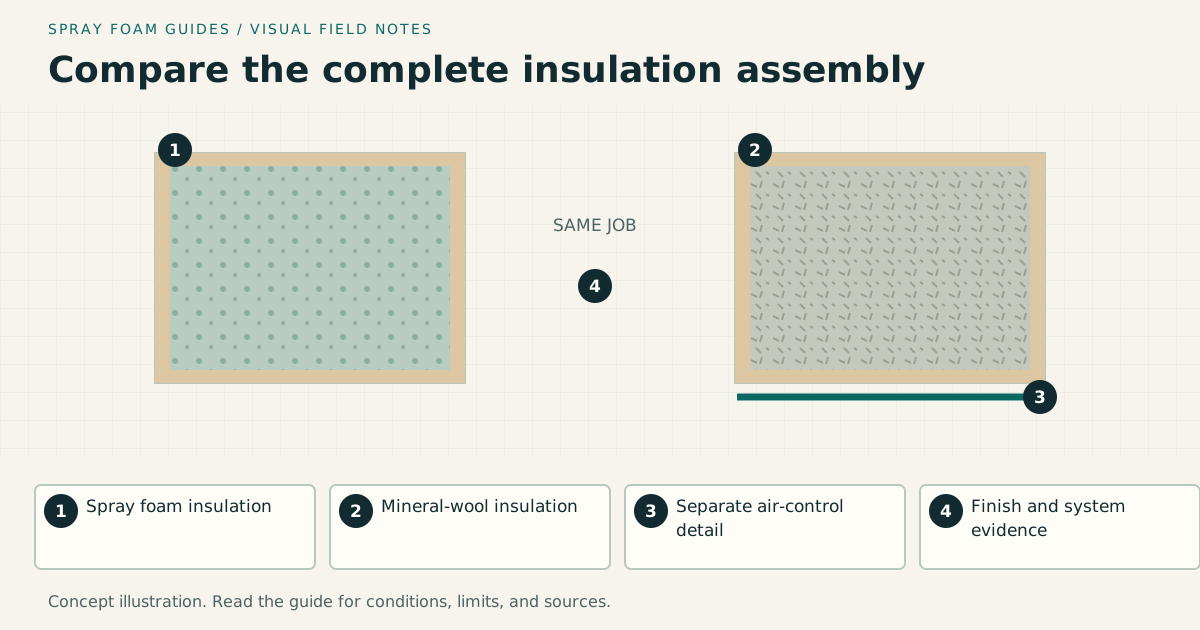
Spray Foam vs Mineral Wool: Air Control, Fire Evidence, and Access
Compare spray foam with mineral wool batts and boards by assembly role, air sealing, drying, fire and acoustic evidence, installation, and future repairs.
Read the guide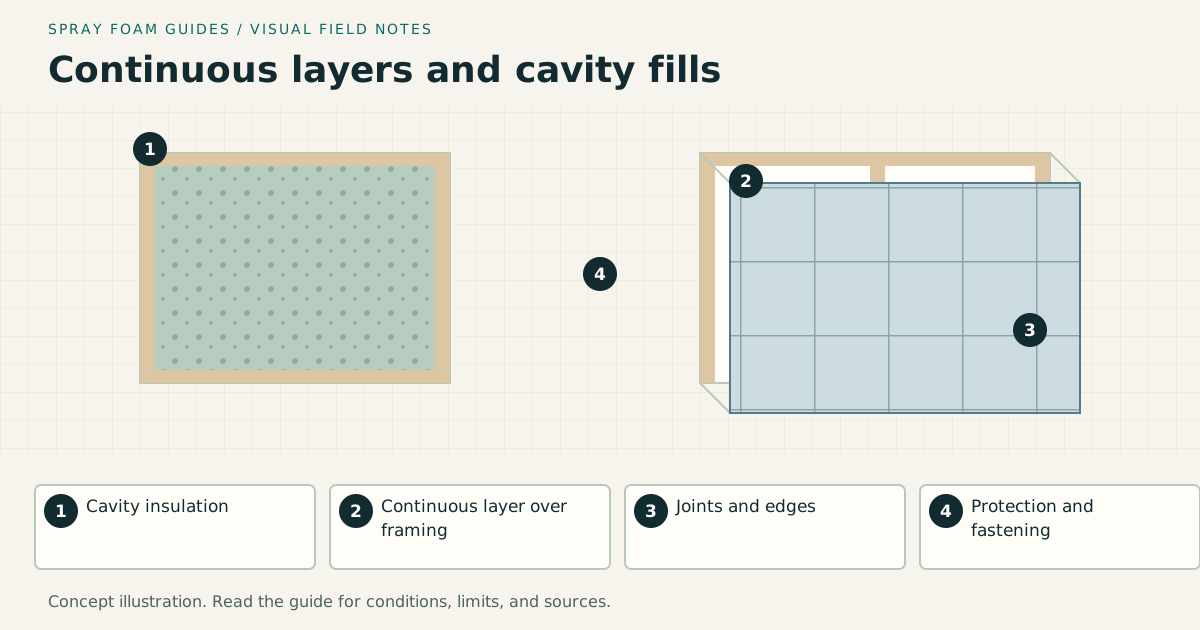
Spray Foam vs Rigid Foam Board: Continuity, Joints, and Repairability
Compare spray foam and rigid foam board by continuity, thickness control, seams, substrates, vapor behavior, fastening, fire covering, and future access.
Read the guideA useful next step
Turn the reading into a plan.
Answer seven practical questions and see which conditions to investigate before choosing a material.