THE KIT SHORTLIST
Surface-spray kits on Amazon.
Amazon affiliate links. As an Amazon Associate I earn from qualifying purchases. No added cost to you.
Best Spray Foam picks · same owner.
- Best Spray Foam pick #1
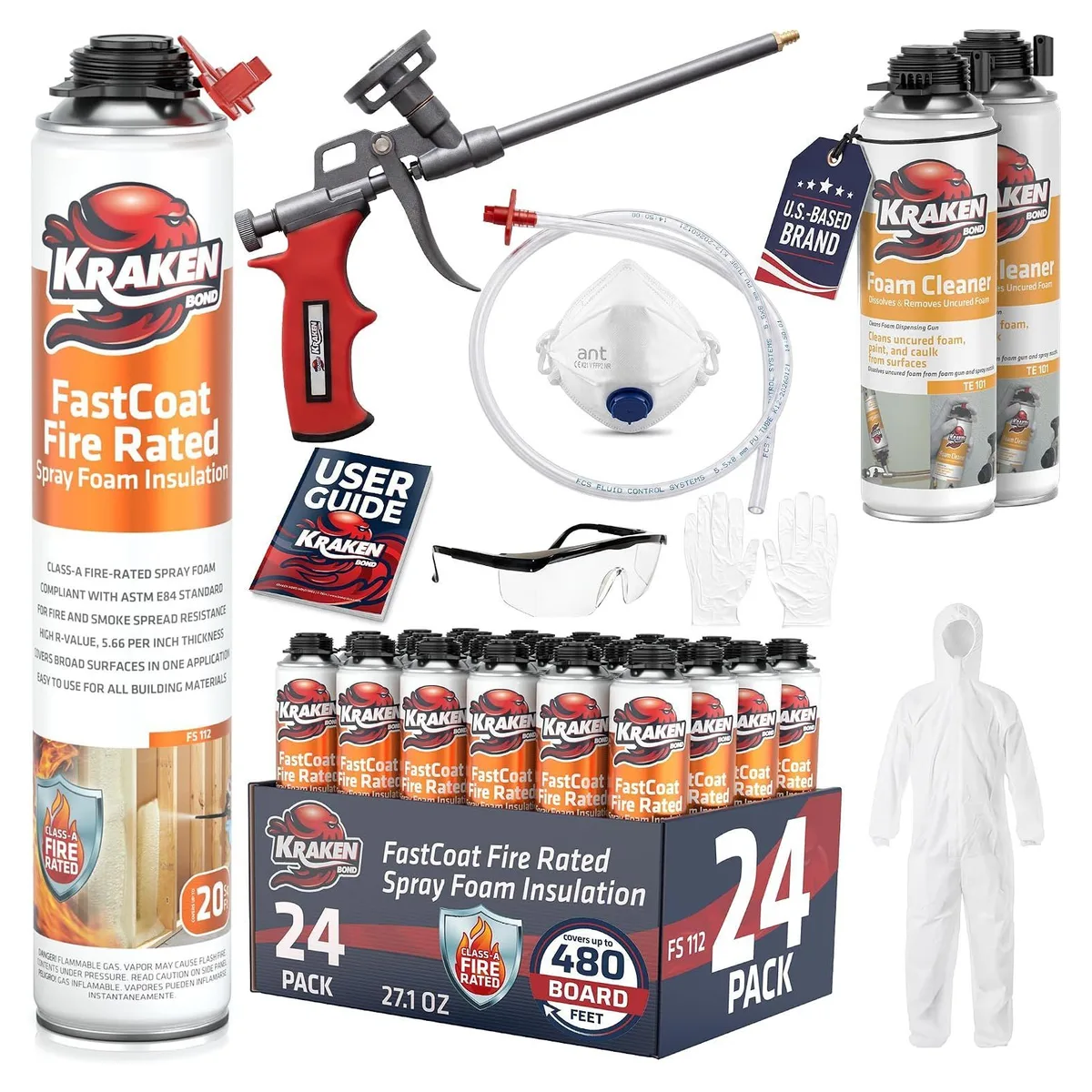
Kraken Bond FastCoat 24-Pack
24 x 27.1 oz · gun-applied surface foam
Amazon · Sep 12, 2026$369.99At Amazon · Check price on Amazon
View on Amazon - Best Spray Foam pick #2
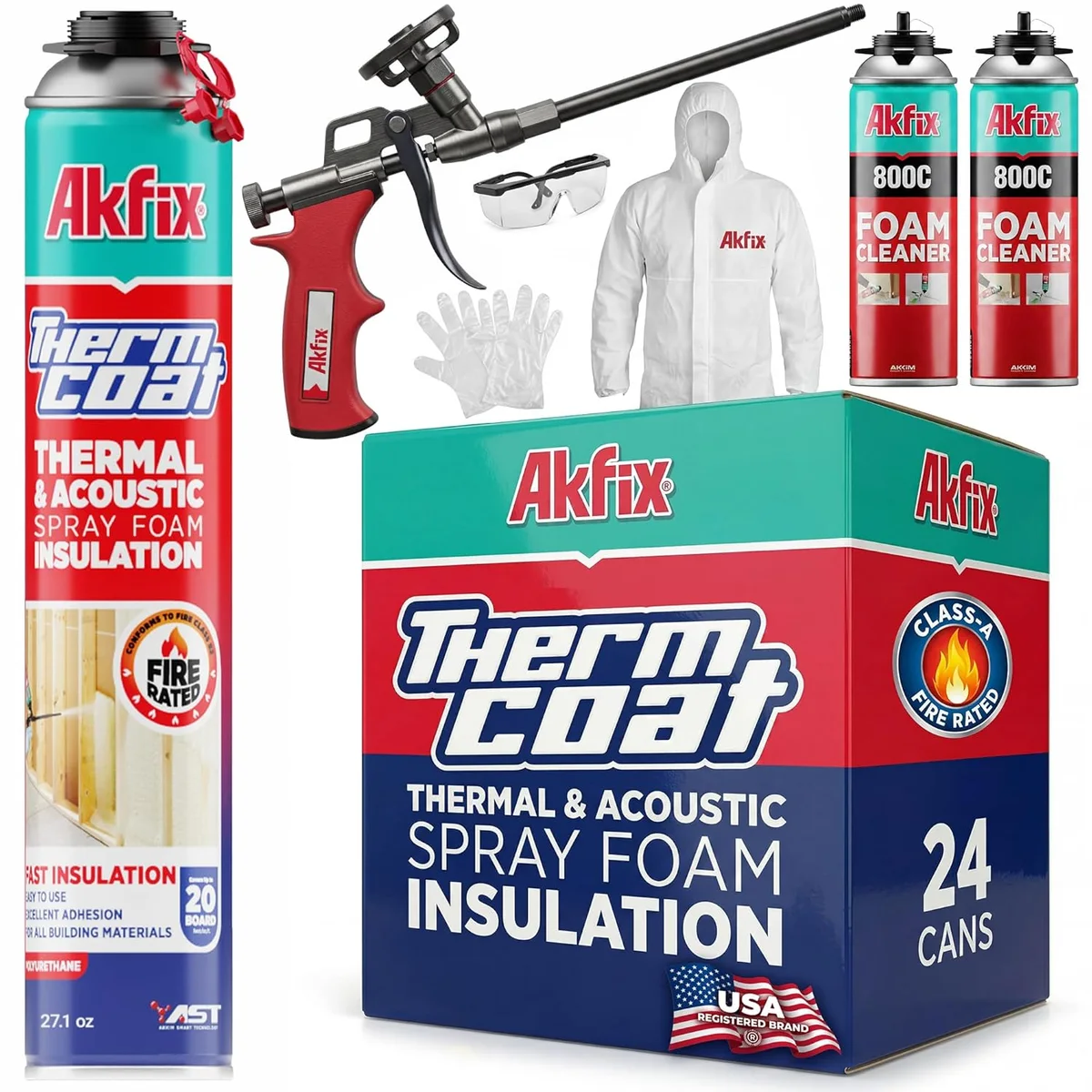
Akfix ThermCoat 24-Pack
24 x 27.1 oz · gun-applied surface foam
Amazon · Sep 12, 2026Check price on Amazon
View on Amazon - Best Spray Foam pick #3
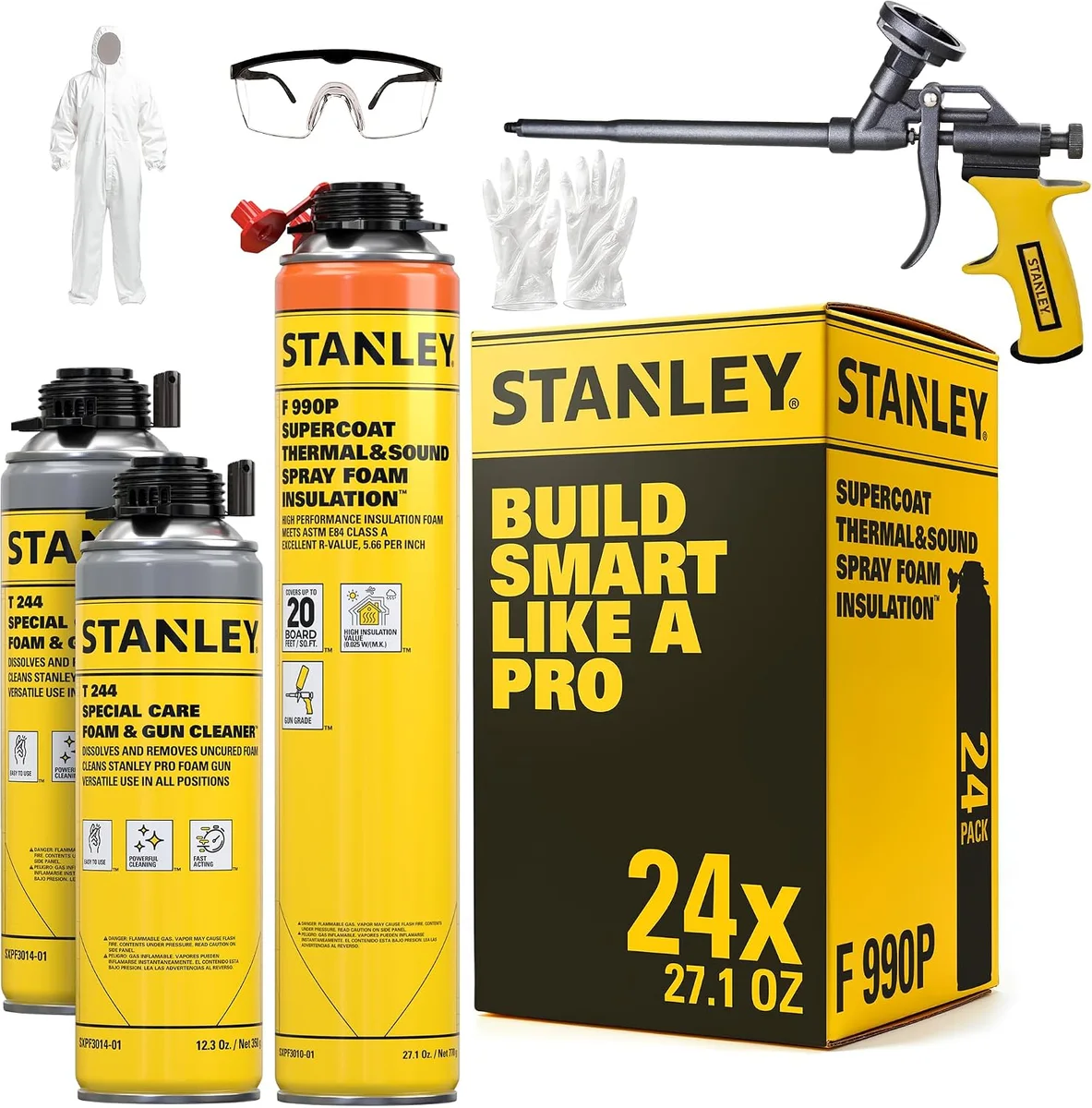
Stanley F990P SuperCoat 24-Pack Kit
Amazon offer: Complete 12-pack kit · ranked record is the 24-pack
No exact-ASIN rating snapshot is recorded for this Amazon offer.Check price on Amazon
View on Amazon
For open surfaces and thin passes. Check the exact label and instructions for your job.
How these kits were selected
These are the first three in Best Spray Foam’s evidence-led order (Sep 7, 2026). The two publications share ownership. These are catalog options, not approval for a building or a whole-house insulation plan. Prices and customer ratings are dated observations and can change.
Read the full product comparisons at Best Spray Foam →The project workbench · 02
Board-foot calculator
Build a takeoff from different surfaces and thicknesses. One board foot covers one square foot at one inch thick.
The short answer
Board feet measure volume, not thermal performance or package yield.
For each surface group, multiply net square feet by thickness in inches. Add the groups for raw board feet. Keep any planning allowance separate so it cannot be mistaken for required installed volume.
What changes the result
Check the geometry before using the total.
- Length, width, surface count, and openings set the net area.
- Each surface group keeps its own intended thickness.
- Product yield, required R-value, framing, and field loss remain separate decisions.
Evidence trail
What to verify before applying this answer
Sources last checked: Sep 6, 2026. Each reference supports the point shown; it does not approve a project by itself.
Volume-unit definition
One board foot is one square foot at one inch thick. The calculator applies that geometry to each measured surface group.
Virginia Department of Forestry: Board FootR-value is a separate claim
Raw board-foot volume does not establish an R-value. Use the current documented claim for the exact insulation and thickness.
Electronic Code of Federal Regulations / Federal Trade Commission: 16 CFR 460.20: R-value per inch claimsDeclared yield has conditions
A package yield depends on its stated basis and conditions. This manufacturer example does not set the yield of another product.
DuPont: Froth-Pak Foam System Kit Instruction Manual, September 2025
Research & references
Sources used for this guide
- Board Foot
- 16 CFR 460.20: R-value per inch claims
- Froth-Pak Foam System Kit Instruction Manual, September 2025
A citation supports a specific statement, not every possible assembly or local code interpretation.
Show the working
Simple math.
Visible assumptions.
For each group: (length × width × count − openings) × thickness
The calculator adds each raw volume, then applies your optional scenario percentage once. This keeps different walls, roof slopes, rims, or floor areas visible instead of hiding them inside one average.
Why there is no universal can or kit count
Advertised yield comes from stated test conditions. Installed yield can change with temperature, substrate, application technique, geometry, overspray, lifts, and equipment. The calculator therefore preserves raw geometry and leaves exact product conversion to current product evidence.
This calculation does not establish required R-value, account for framing thermal bridges, or set a product’s lift limit. Confirm the assembly and installation requirements before turning volume into a purchase.
Understand R-value, thickness, and board feet